Craving a slower coastal pace without giving up everyday convenience? If you want easy access to beaches, nature trails, and neighborhood amenities without big-city bustle, Palm Coast could fit your lifestyle. You will learn how daily life feels, what housing looks like, how far the beaches and job hubs are, and what to plan for with insurance and storms. By the end, you will know if Palm Coast belongs on your short list. Let’s dive in.
Location and vibe
Palm Coast sits in Flagler County on Florida’s northeast coast, roughly midway between St. Augustine to the north and Daytona Beach to the south. It began as a planned community in 1969, and today it blends master-planned neighborhoods, canal-front pockets, and a growing Town Center. The 2020 U.S. Census counted 89,258 residents, with a mix of families, retirees, and regional commuters.
You will notice a laid-back routine shaped by the outdoors. The climate is humid subtropical, with hot, humid summers and mild winters. Hurricane season runs June through November, so preparedness and insurance planning are part of life.
Beaches and water access
Most Palm Coast neighborhoods are a short drive from the ocean. Flagler Beach is the primary public beach nearby, with surfing, fishing, and space to relax. Many residents plan beach days as quick 10 to 25 minute drives depending on where they live.
Day trips to St. Augustine or Daytona Beach add variety without a long haul. If you prefer to live inland but want regular salt air, Palm Coast makes that easy. Parking, public access, and family-friendly setups are common along the coast.
Canal and waterfront living
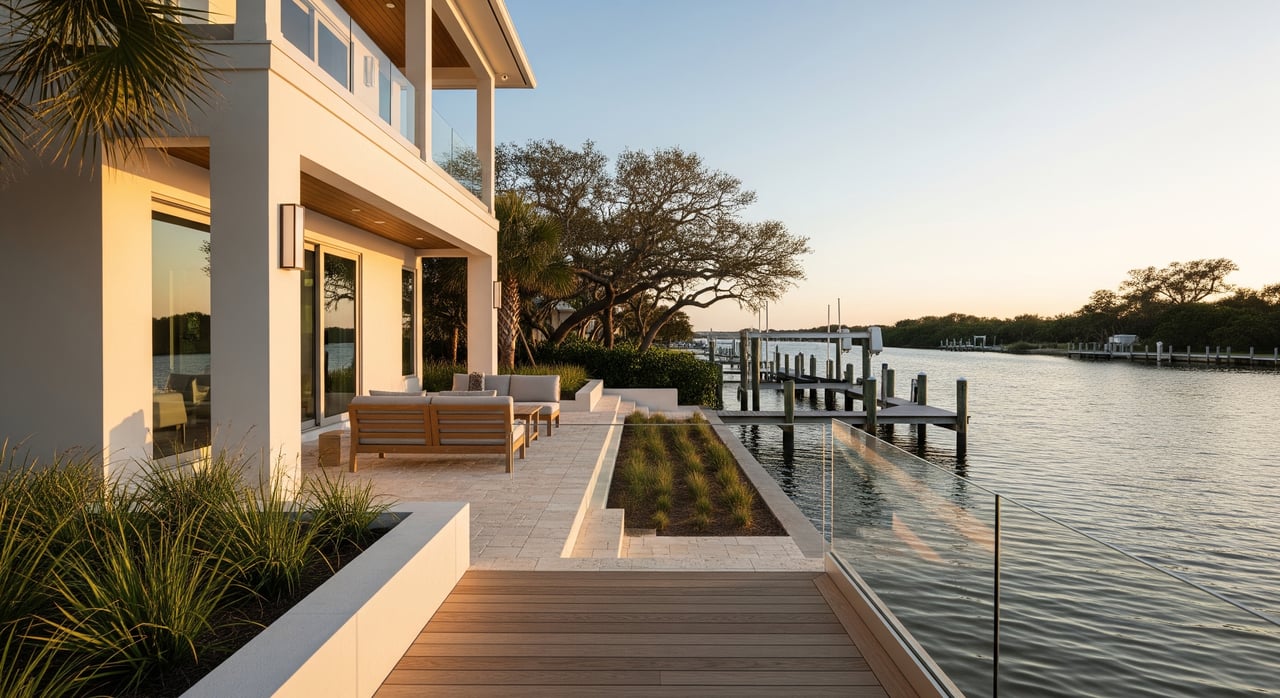
Palm Coast’s saltwater canals and tidal creeks connect to the Intracoastal Waterway in places. Many homes back to canals and include private docks, while some communities offer shared boat launches. This setup supports boating, saltwater fishing, kayaking, and a dockside lifestyle.
If you shop on the water, factor in seawall condition, dock maintenance, and tidal considerations. Verify flood zones and elevation at the property level. Waterfront living is a major draw and often commands a price and insurance premium over non-waterfront homes.
Parks, trails, and outdoor recreation
You will find multi-use trails, city parks, preserves, and regional state parks that make walking, biking, birding, and kayaking part of your weekly rhythm. Spring through fall is prime for water activities, while winter delivers mild temperatures that bring seasonal visitors. Afternoon thunderstorms in summer are normal, so mornings or early evenings are popular for outdoor time.
Community programming includes recreational leagues, farmers markets, and seasonal events. If an active, outdoorsy routine matters, Palm Coast offers accessible, low-cost options that fit most schedules.
Dining, shopping, and services
The Town Center and other commercial corridors cover daily needs: grocery stores, neighborhood restaurants, banks, and medical offices. The local dining mix leans casual, with coastal seafood, family dining, and familiar chains. Specialty shopping expands as you head to St. Augustine or Daytona Beach.
Weekly markets and small-business clusters add local color and convenience. Most errands are short drives and easy to combine into one trip.
Health care and schools
Palm Coast has local clinics and urgent-care options within the city. Hospital-level services are available in nearby cities, with regional systems serving Flagler County and the northeast coast. AdventHealth has a presence in the area and provides access to a range of services.
Public schools are operated by the Flagler County School District, with multiple elementary, middle, and high schools located in or near Palm Coast. There are also private-school options and county vocational or technical programs. Because school zoning and capacities can change, verify attendance zones for a specific address and review current district information.
Getting around and commute times
Interstate 95 is the main north-south corridor for regional trips and commuting. Local state and county roads provide east-west connections to the beach and U.S. highways. Public transit is limited compared to large metros, so most residents rely on driving.
Approximate drive times by car:
- St. Augustine: about 25 to 35 minutes
- Daytona Beach: about 30 to 45 minutes
- Jacksonville business districts: about 55 to 75 minutes
- Orlando: about 1.5 to 2 hours
For air travel, expect roughly 30 to 45 minutes to Daytona Beach International, about 1 hour to Jacksonville International, and about 1.5 to 2 hours to Orlando International, depending on traffic. Walkability varies by neighborhood, with some planned areas and Town Center offering pedestrian routes and trail access.
Housing snapshot
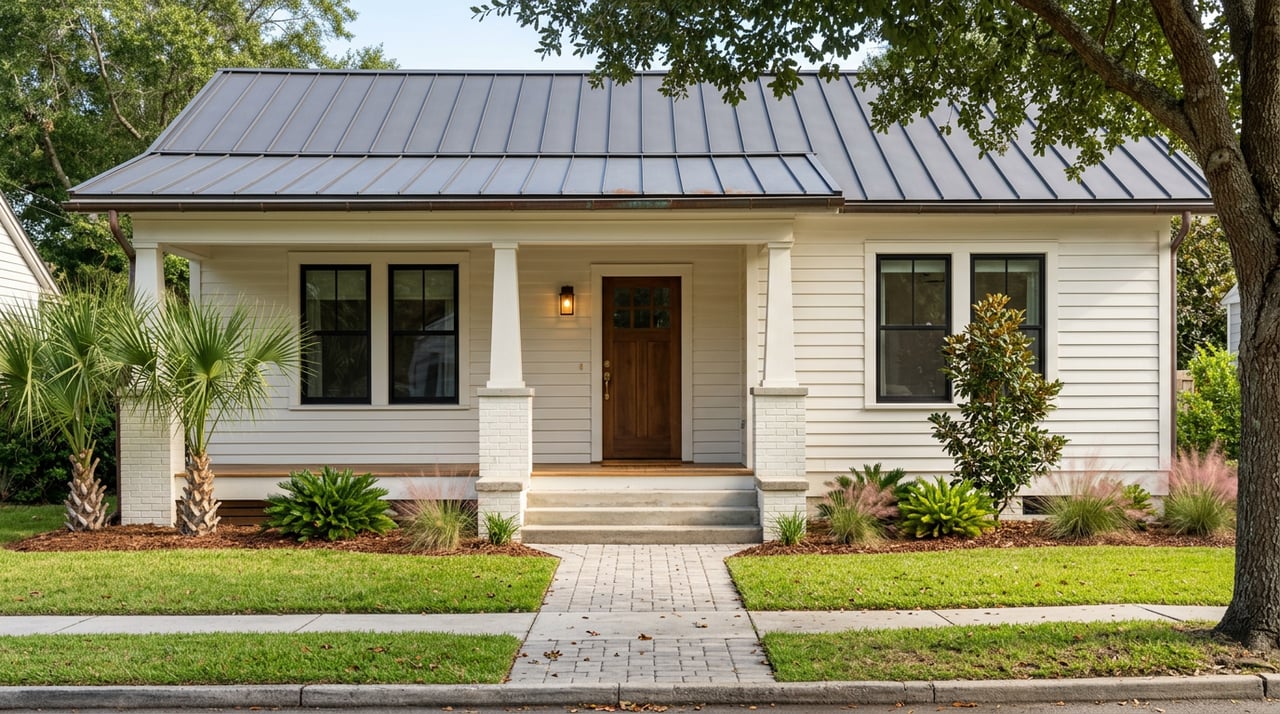
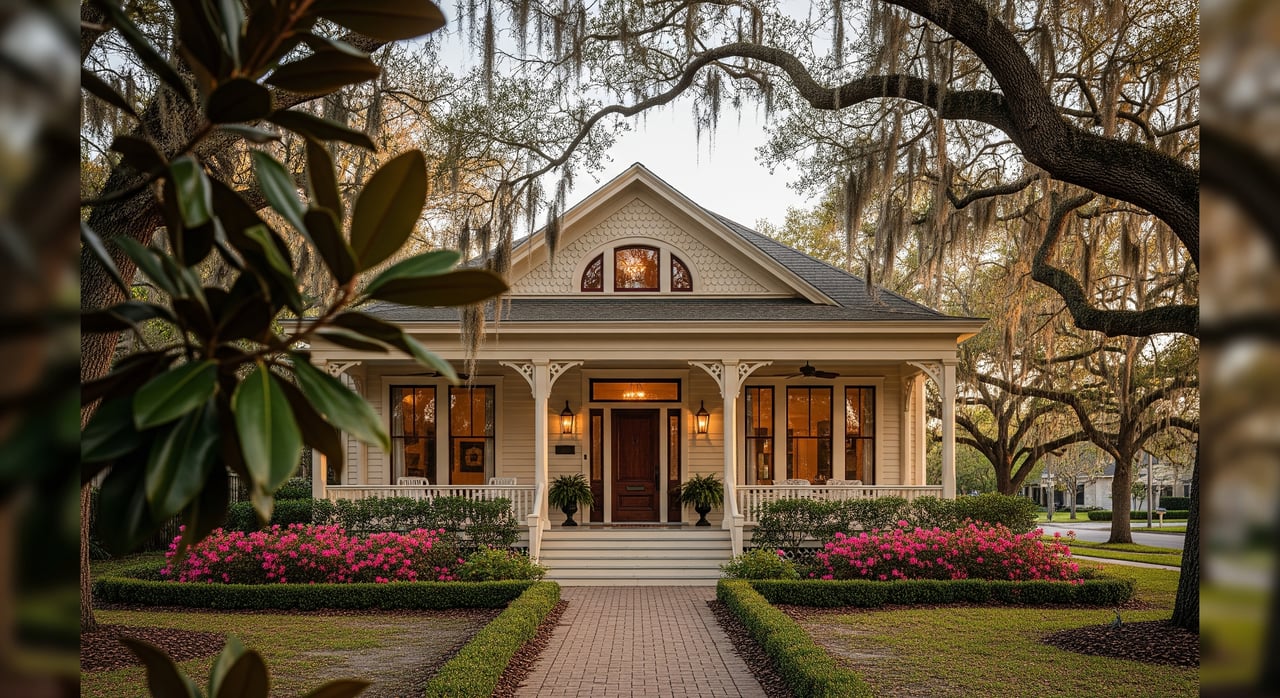
Most homes in Palm Coast are single-family, ranging from mid-late 20th-century builds to newer subdivisions from the 2000s through today. You will also find condominiums and townhomes, including options in master-planned or golf communities. Styles are classic Florida suburban with stucco finishes and low-maintenance landscaping.
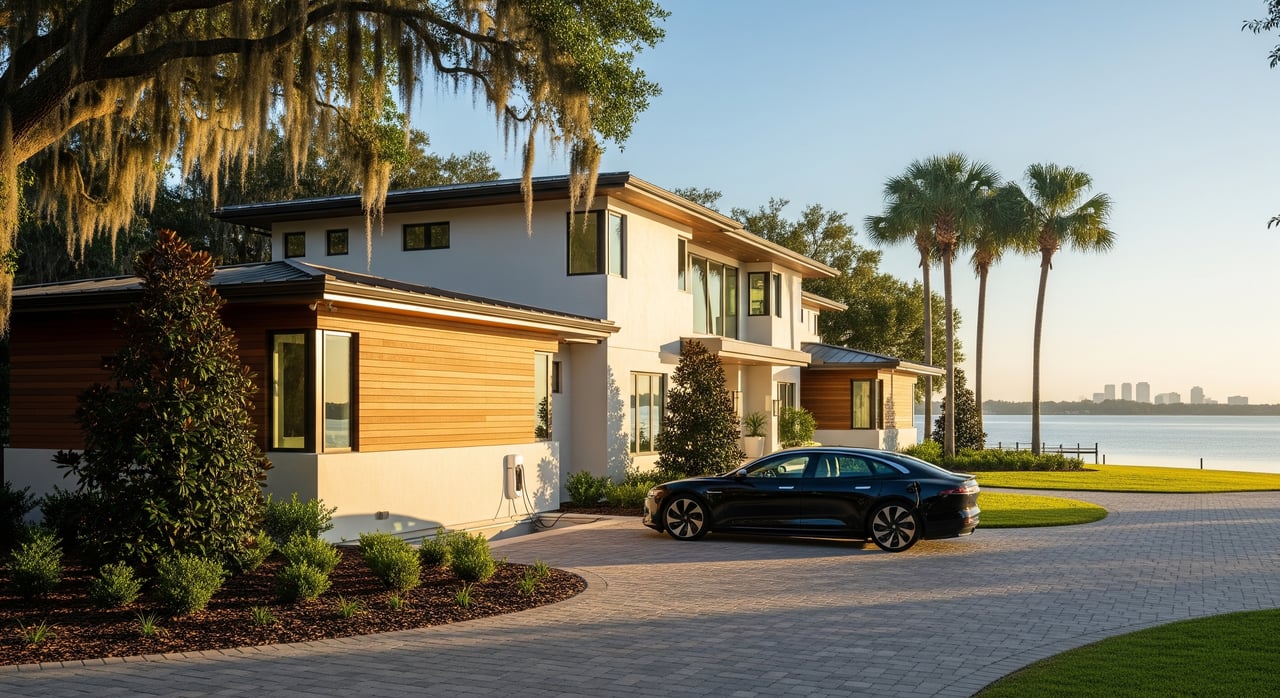
Canal-front and estuary-front homes are a signature of the area. Expect a premium for waterfront, golf-oriented, or amenity-rich communities. If you prefer fewer rules, there are non-HOA pockets and lower-density areas with more flexibility.
One example of amenity-centered living is Grand Haven, a well-known master-planned community with golf and club-style facilities. In HOA communities, fees typically cover common-area upkeep, amenities, and community rules. Always review the current budget, reserves, and community guidelines before you buy.
Insurance, storms, and resilience
Hurricanes are a reality in east-central Florida, so plan for mitigation and insurance from day one. Many buyers consider impact-rated windows or shutters, reinforced roofing, and flood coverage when appropriate. Waterfront and low-lying properties may require flood insurance, and wind coverage can vary by carrier and location.
Use this quick checklist when you evaluate a home:
- Get an elevation certificate and confirm flood zone details.
- Ask your insurance pro for quotes on wind and flood coverage.
- Review the age and type of roof and any wind mitigation credits.
- Inspect seawalls, docks, and drainage for waterfront homes.
- Understand HOA or condo assessments related to storm reserves.
The city coordinates with county and state agencies on storm response, and you will see seasonal reminders for preparedness. Having supplies, a plan, and verified coverage gives you peace of mind.
Cost of living notes
Florida has no state income tax, which is a draw for many residents. Property taxes and homeowners insurance are key budget items, especially for waterfront homes. If you plan to homestead, look into county-level exemptions that can reduce your bill.
Utilities vary by location. Newer subdivisions are more likely to have municipal water and sewer, while rural pockets may use wells and septic. Internet service continues to expand, but speeds and providers can vary by neighborhood, so verify specific address options if you work remotely.
Who thrives in Palm Coast
Palm Coast tends to fit people who want a quieter coastal setting and regular access to the outdoors. It works well for retirees seeking mild winters and community amenities. Families appreciate suburban space, proximity to parks, and a community-centered calendar.
Remote workers and hybrid commuters often value the balance of affordability and lifestyle, with the caveat to check broadband and commute times. Boaters and anglers will find the canal network a strong lifestyle match.
If you want dense urban amenities, late-night energy, or very short commutes to major corporate hubs, the area may feel spread out. If you want true beachfront living inside city limits, know that many Palm Coast homes are inland with an easy drive to the ocean.
Smart next steps for buyers
If Palm Coast is on your radar, take these steps to move forward confidently:
- Tour multiple neighborhoods, both HOA and non-HOA, to confirm your fit.
- Time your drive to St. Augustine, Daytona, or Jacksonville during peak hours.
- Verify internet providers and speeds for the exact address.
- For waterfront options, inspect docks and seawalls and budget for upkeep.
- Review HOA documents, reserves, and any community-wide projects.
- Get early insurance quotes for wind and flood to refine your numbers.
A thoughtful plan will help you compare waterfront versus non-waterfront homes, amenity-rich versus flexible neighborhoods, and your must-haves versus nice-to-haves.
Selling in Palm Coast
If you plan to sell, focus on simple, high-impact steps. Tackle exterior maintenance, especially for waterfront features like docks and seawalls. Confirm roof age and permits, gather wind mitigation reports, and organize HOA documents.
Buyers look for clear, accurate information on insurance, utilities, and internet. Professional marketing, clear disclosures, and good timing around the seasonal calendar can help you stand out and sell with confidence.
Ready to explore homes, compare neighborhoods, or prep your sale with a calm, process-driven plan? Connect with Safiya Bourne for boutique, client-first guidance from search to closing. Learn more at Safiya Bourne.
FAQs
How close are Palm Coast homes to public beaches?
- Most neighborhoods are a 10 to 25 minute drive to public access at Flagler Beach, with additional beach options in St. Augustine and Daytona for day trips.
Are Palm Coast canals suitable for boats and do homes include docks?
- Many canals are tidal and connect to the Intracoastal Waterway in places, and some homes include private docks while others use community launches; verify dock depth and maintenance needs.
What are typical commute times from Palm Coast to nearby cities?
- Expect roughly 25 to 35 minutes to St. Augustine, 30 to 45 minutes to Daytona Beach, and 55 to 75 minutes to Jacksonville business districts, depending on traffic.
How does hurricane season affect home insurance in Palm Coast?
- Hurricane risk makes wind and, for some areas, flood insurance key; obtain quotes early, review roof and mitigation credits, and verify elevation and flood zones for each address.
What health care options are available to Palm Coast residents?
- Local clinics and urgent-care centers operate in the city, with hospital-level services in nearby cities and regional systems serving Flagler County; confirm specific providers near your home.
What should families know about schools in Palm Coast?
- Public schools are run by the Flagler County School District, with multiple campuses in the city; always check current attendance zones, programs, and transportation for your address.
Do you need a car to get around Palm Coast?
- Most residents rely on driving, as public transit is limited; I-95 and local roads provide access to beaches and regional job centers, while walkability varies by neighborhood.